
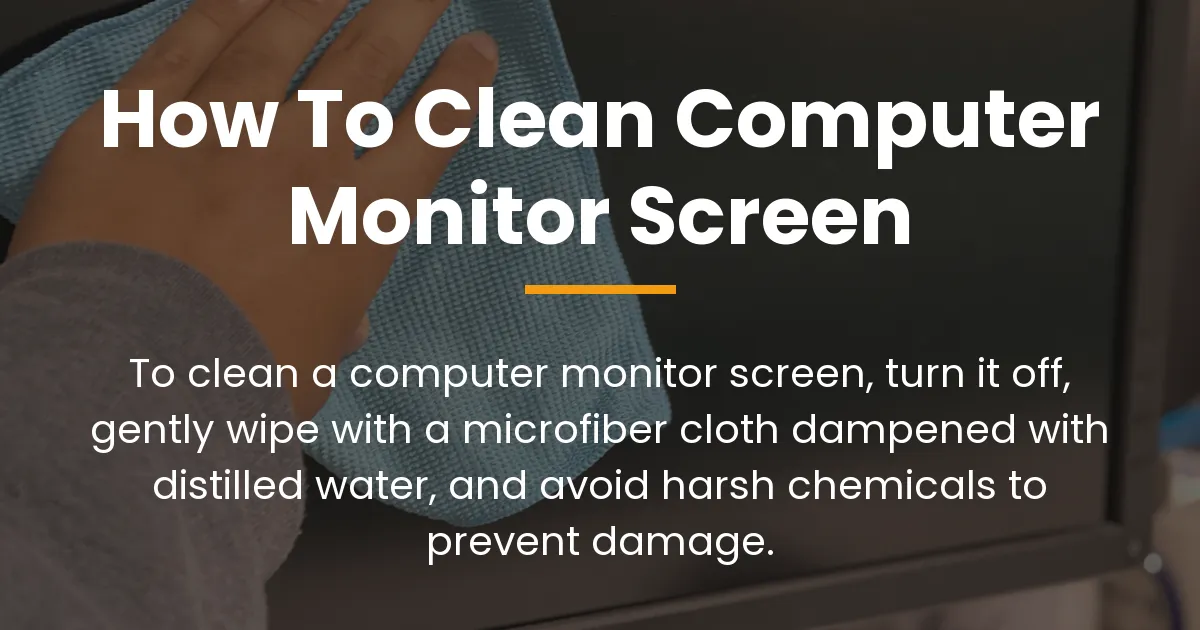
We’ve all faced a dusty, smudged computer monitor that ruins the viewing experience and makes work frustrating. Learning how to clean computer monitor screen correctly is crucial because a wrong move can lead to permanent scratches or cloudiness. This guide provides a clear, step-by-step approach based on the science of screen materials, ensuring you restore clarity without risking damage, no matter what type of monitor you own.
The One Safe Rule for Every Monitor
Before diving into specifics, understand the universal principle that applies to all screens. The only method guaranteed safe for cleaning any computer monitor involves using a clean, soft microfiber cloth lightly dampened with distilled water. This simple combination avoids the two main enemies of your display: abrasion from rough materials and chemical corrosion from harsh cleaners. Every other tip or variation builds on this foundation, ensuring you never etch tiny scratches or dissolve delicate coatings while wiping away grime.
Why distilled water? Tap water often contains minerals that can leave behind residues or streaks after drying, unlike distilled water which is pure and evaporates cleanly. Meanwhile, microfiber cloths are designed to trap dust and moisture without shedding particles that act like sandpaper. Remember this rule as your starting point, and you will avoid the majority of cleaning disasters that stem from using improvised tools.
What You Are Cleaning Off and What You Are Cleaning
Effective cleaning requires knowing both the substance on your screen and the screen’s own construction. Different contaminants demand slight adjustments in technique, and various screen types have unique vulnerabilities. This knowledge turns a generic wipe into a tailored, safe procedure that addresses your specific situation.
Identifying Your Contaminants
Common screen dirt falls into categories, each needing a different approach. Dry dust and lint are abrasive particles that can scratch if rubbed too hard, so they require gentle removal without pressure. Fresh fingerprints and skin oils create greasy smudges that may need a damp cloth to dissolve, while dried-on splatters or food residues might call for a bit more moisture but never force.
Then there are hazy films from incorrect past cleanings, often caused by chemical residues that have damaged anti-glare coatings. Understanding what you are dealing with helps you choose the right level of moisture and pressure, preventing you from turning a simple clean into a repair job by mishandling stubborn spots.
Identifying Your Screen Type
Monitor screens are not all the same, and their surfaces react differently to cleaning. Glossy glass screens, like those on many modern monitors, have a smooth, reflective surface that shows smudges easily but can handle slight dampness if wiped quickly. Matte or anti-glare screens have a textured coating that reduces reflections but is more delicate; abrasive wiping can wear this coating down, causing permanent dull spots.
Touchscreen monitors, such as those on laptops or all-in-one PCs, often have an additional protective layer that is sensitive to pressure and liquids. Knowing your screen type—usually check the manufacturer’s manual or website—guides how gently you must wipe and how much moisture is safe, ensuring you preserve its functionality and appearance.
Gathering the Right Tools and Setting Up
Preparation is key to a safe cleaning session. First, collect your materials: two or three clean microfiber cloths, a small bottle of distilled water, and optionally a drop of mild dish soap for tough grease. Avoid any paper towels, kitchen sponges, or rough fabrics that might seem convenient but hide abrasive particles. Then, prepare your workspace by turning off the monitor and unplugging it from the power source to eliminate any electrical hazards.
Let the screen cool down for a few minutes if it was recently on, as heat can cause moisture to evaporate too quickly and leave streaks. Work in a well-lit area so you can see dust and smudges clearly, and lay the monitor flat if possible to prevent any liquid from dripping into the edges. This setup minimizes risks and sets the stage for a thorough clean without accidents.
How to Clean Computer Monitor Screen
To clean your computer monitor screen safely and effectively, follow these sequential steps designed to remove dirt without causing streaks or damage. This process adapts the core rule to practical action, ensuring a spotless result every time.
- Begin by removing loose dust with a dry, clean microfiber cloth. Gently sweep the cloth across the screen in one direction, using light motions to avoid grinding particles into the surface. Do not press down or wipe in circles, as this can spread dust and create scratches.
- If smudges persist, lightly dampen a second microfiber cloth with distilled water. Wring it out thoroughly until it is only slightly moist—excessive liquid can seep into the monitor’s edges and cause internal damage. Never spray water directly onto the screen; instead, apply it to the cloth.
- Wipe the screen gently with the damp cloth, moving from the top to the bottom in straight, overlapping strokes. This one-directional pattern prevents streaks and ensures you lift dirt away rather than redistributing it. Avoid circular motions, which can leave visible swirl marks on the display.
- For stubborn spots like dried fingerprints or sticky residues, apply minimal pressure directly on the spot with the damp cloth, but do not scrub aggressively. If needed, add a tiny drop of mild dish soap to the cloth for extra cleaning power, but rinse the cloth with distilled water afterward to avoid soapy streaks.
- Immediately buff the screen dry with a separate, clean, dry microfiber cloth. Use soft, quick strokes to absorb any remaining moisture and polish the surface to a streak-free shine. Check the screen from an angle in good light to confirm no damp spots linger, especially around the bezel.
The Real Reason Common Tools Cause Damage
Many guides warn against certain tools without explaining why, leaving users confused when gentle wipes still harm their screens. The damage stems from physical abrasion and chemical reactions that degrade screen materials over time. Understanding this helps you avoid hidden risks in everyday items.
Common cloths like paper towels or old t-shirts contain tiny, hard particles from their fibers or environmental dust that act like fine sandpaper when rubbed on a screen. Under pressure, these particles grind away anti-glare coatings or scratch the surface, leading to a permanent grainy look. Even some microfiber cloths can cause harm if they are dirty or low-quality, so always use clean, dedicated cloths.
Household cleaners, including glass sprays with ammonia or alcohol-based wipes, are dangerous because they contain solvents that dissolve the protective layers on monitor screens. This chemical corrosion can create cloudiness, discoloration, or a cracked appearance known as crazing. Similarly, excessive liquid from a wet cloth can seep into the monitor’s edges, causing electrical shorts or internal damage that ruins the device.
Finishing the Job and Preventing Streaks
After the main cleaning, attention to detail ensures a flawless finish. Inspect the screen under bright light from different angles to spot any streaks or leftover moisture, particularly near the bezel where liquid tends to accumulate. Use a dry microfiber cloth to gently buff these areas, applying light pressure to absorb residual dampness without smearing.
If streaks appear, it often means the cloth was too wet or had contaminants; switch to a fresh, dry cloth and wipe again. For persistent haze, ensure you are using distilled water and not tap water, which leaves mineral deposits. This post-cleaning check transforms a good clean into a perfect one, giving your monitor a like-new look without cloudiness or marks.
Keeping Your Monitor Screen Cleaner Longer
Regular maintenance reduces the need for deep cleans and protects your screen from buildup. Start by controlling your environment: keep the room clean to minimize dust, and avoid eating or drinking near the monitor to prevent splatters. Wash your hands before using the computer to cut down on oily fingerprints, and consider using an anti-static screen cover if dust is a persistent issue.
Establish a simple routine, such as a weekly light dusting with a dry microfiber cloth to remove surface particles before they stick. This proactive approach keeps your screen clear with minimal effort and extends its lifespan by preventing abrasive grime from accumulating. Over time, these habits make cleaning events quick and easy, saving you from frustrating smudges and potential damage.
Conclusion
Mastering how to clean computer monitor screen is about more than following steps; it is about respecting the delicate technology behind your display. By sticking to the safe method of a microfiber cloth and distilled water, diagnosing your specific dirt and screen type, and maintaining a consistent routine, you can enjoy a crystal-clear view for years. Remember, patience and the right tools prevent damage, making every clean a success that preserves your monitor’s quality and your computing happiness.
Frequently Asked Questions
Can I use a screen cleaning spray I already own?
It is not recommended unless the spray is specifically designed for monitors and is alcohol-free and ammonia-free. Most general-purpose sprays contain chemicals that can damage screen coatings, so stick to distilled water for safety.
How do I clean a monitor screen that has an anti-glare coating?
Use extra caution by ensuring your microfiber cloth is only slightly damp and applying minimal pressure. Avoid any abrasive motions, as the coating is delicate and can wear off with rough treatment, leading to permanent dull spots.
What is the best way to remove stuck-on debris, like dried food or glue?
For tough debris, dampen a microfiber cloth with distilled water and hold it gently against the spot for a few seconds to soften it, then wipe lightly. Do not scrape or use sharp objects, which can scratch the screen.
Is it safe to clean the screen while the computer is on?
No, always turn off and unplug the monitor before cleaning to avoid electrical hazards and to see dirt more clearly. A powered-off screen also prevents liquid damage and reduces the risk of streaks from quick evaporation.
Why does my screen look streaky after cleaning, and how do I fix it?
Streaks usually come from using too much moisture, a dirty cloth, or tap water with minerals. Fix it by buffing with a clean, dry microfiber cloth and using distilled water next time for a residue-free finish.
Can I use alcohol wipes or rubbing alcohol on my monitor?
Avoid alcohol wipes entirely, as alcohol can dissolve protective screen coatings and cause cloudiness or discoloration. Distilled water is a safer choice that effectively cleans without chemical risks.
How often should I clean my computer monitor screen?
For light dust, clean every week with a dry microfiber cloth; for deeper cleans with moisture, do it monthly or as needed when smudges appear. Regular dusting minimizes the need for wet cleaning.
Does the method change for a touchscreen laptop monitor?
The basic method remains the same, but be extra gentle to avoid damaging the touch-sensitive layer. Use less moisture and ensure the cloth is well-wrung to prevent liquid from seeping into edges.
What should I do if I accidentally used a harmful cleaner?
Immediately wipe the screen with a cloth dampened with distilled water to dilute the chemical, then dry it thoroughly. If damage like cloudiness occurs, consult the manufacturer, as the coating may be permanently affected.
How do I clean the monitor bezel and stand without harming the screen?
Use a separate cloth slightly dampened with water or a mild soap solution for the bezel and stand, but keep it away from the screen itself. Dry these parts completely to prevent moisture from migrating to the display.