Many people want to know how to setup a dual screen monitor to improve their workflow, whether for work, gaming, or everyday tasks. This setup lets you spread windows across two screens, making multitasking easier and more efficient.
With the right hardware and a few simple adjustments, you can achieve this without needing expert skills. In this guide, we’ll cover everything from basic connections to advanced tips, ensuring you get a seamless experience.
Quick Steps to Setup a Dual Screen Monitor
Building on the benefits of dual screens, let’s jump into the essentials. These steps provide a fast path to get both monitors working together on a Windows PC.
- Check your computer’s ports for HDMI, DisplayPort, or USB-C, and gather the matching cable for your second monitor.
- Power on both the computer and the external monitor, then plug the cable into the graphics output on your PC and the input on the monitor.
- Once booted into Windows, press the Windows key + P to quickly choose display modes, or right-click the desktop and select Display settings.
- In the Display settings window, scroll to Multiple displays and choose Extend these displays, then drag the screen icons to match their real-world positions.
- Move your mouse cursor across the screens to test; if it transitions smoothly, your basic setup is complete.
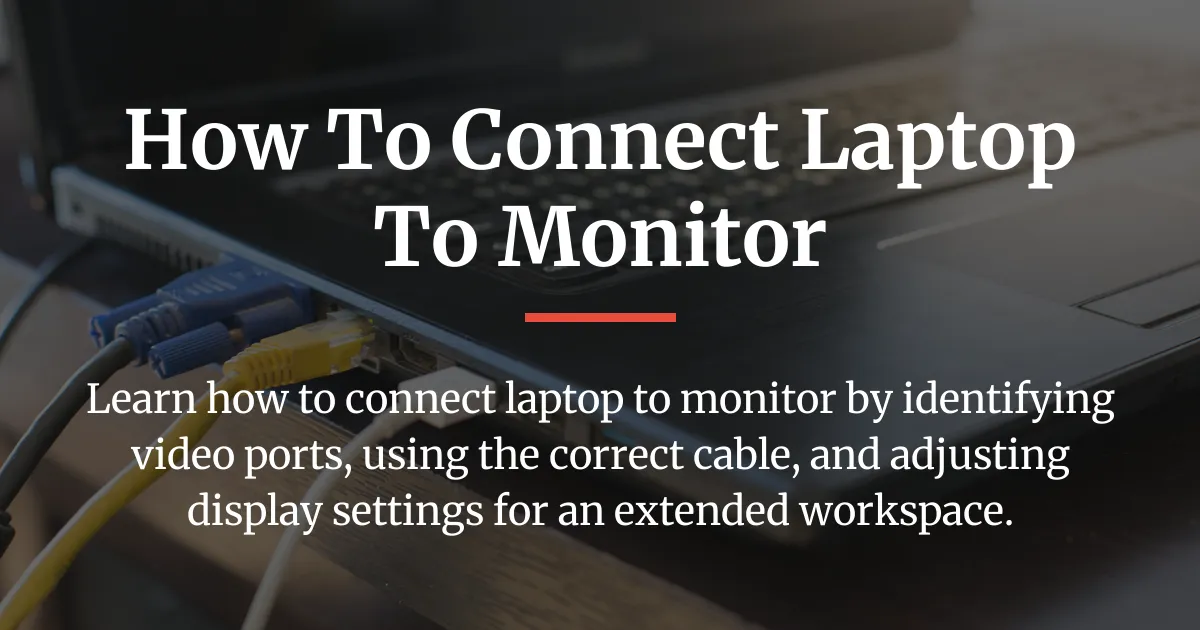
These actions typically take just a few minutes. For visual help, imagine a simple diagram showing an HDMI cable linking a laptop to a flat-screen monitor.
Hardware Essentials for Dual Screens
Having covered the quick setup, it’s important to understand the gear required before diving deeper. Proper hardware ensures compatibility and avoids frustration from mismatched components.
Most modern computers support at least two displays through built-in ports. Laptops often have one HDMI and one USB-C with video output, while desktops might offer multiple DisplayPorts on the graphics card.
Identifying Your Ports and Limits
Consequently, start by examining your device’s available connections. HDMI works for video and audio up to 4K resolution, making it ideal for general use.
DisplayPort handles higher refresh rates better, which matters for gaming or video editing. USB-C with Thunderbolt support can carry video signals too, but confirm if yours does via the specs.
However, not all systems handle multiple screens equally. Integrated graphics on basic laptops might limit you to two displays at 1080p, whereas a dedicated GPU like NVIDIA or AMD can support four or more at higher specs.
Picking the Best Cables
Building on port types, the cable choice affects signal quality over distance. A standard HDMI 2.0 cable supports up to 10 meters without loss, perfect for desk setups.
For longer runs or better performance, opt for DisplayPort cables rated for 4K at 60Hz. Avoid cheap adapters if possible, as they can cause flickering or no signal.
| Cable Type | Max Resolution | Best For | Drawbacks |
|---|---|---|---|
| HDMI | 4K@60Hz | Audio + Video | Shorter reliable length |
| DisplayPort | 8K@60Hz | High Refresh | No built-in audio on all versions |
| USB-C | 4K@60Hz | Versatile Charging | Requires video-capable port |
This table highlights key differences to guide your purchase. Always match the cable to your monitors’ inputs for optimal results.
Configuring Displays in Windows
With hardware in place, configuration brings everything to life. Windows makes this intuitive, building on your initial connection to customize how screens interact.
Open Display settings by searching in the Start menu or using the shortcut. Here, you’ll see numbered boxes representing each connected display.
Arranging and Orienting Screens
Next, focus on layout to match physical setup. Drag the display icons so the edges align with your desk arrangement—left monitor on the left icon, for instance.
For vertical use, select a display and choose Portrait under Scale & layout. This orients content tall and narrow, great for reading documents.
Consequently, test mouse movement after changes. If the cursor jumps unexpectedly, fine-tune the alignment until it glides naturally between screens.
Setting Resolution and Scaling
However, resolution mismatches can blur text or stretch images. Select each display individually and pick the recommended resolution from the dropdown for sharpness.
Scaling adjusts for high-DPI screens, like 4K monitors on older systems. Set it to 125% or 150% if icons appear too small, ensuring readable text across both.
Building on this, apply changes and restart apps if needed. This step prevents distortion, especially when mixing a laptop screen with an external one.
Once adjusted, your dual setup feels unified. Windows auto-detects most hardware, but these tweaks ensure professional results.
Solving Typical Dual Screen Issues
After configuration, glitches might arise, but they’re often quick fixes. Addressing them early keeps your workflow uninterrupted.
Common problems stem from outdated software or loose connections. Start troubleshooting systematically to isolate the cause.
Handling Detection Failures
If the second monitor shows no signal, verify the cable is secure at both ends. Swap it with another if available to rule out defects.
Then, update graphics drivers via Settings > Windows Update > Check for updates. For specific cards, download from NVIDIA or AMD sites for the latest versions.
Restart your PC after updates. This often resolves detection issues without further hassle.
Dealing with Lag or Misalignment
Consequently, if the mouse skips or screens lag, close resource-heavy apps. Check Task Manager for high GPU usage, which can overload integrated graphics.
For cursor alignment, revisit Display settings and nudge icons slightly. Portrait setups sometimes need extra adjustment for edge detection.
However, persistent lag might indicate cable quality. Upgrade to active adapters for longer distances or multiple high-res screens.
These steps restore smooth operation. Most users resolve issues in under 10 minutes this way.
Hidden Challenges in Dual Setups
Moving beyond basics, some aspects get overlooked in standard guides. Tackling them proactively elevates your experience from functional to flawless.
Wireless options exist but introduce unique hurdles. Use Windows key + K to connect to a Miracast-enabled monitor, though expect slight input delay for non-gaming tasks.
Port and Performance Compatibility
Building on hardware, GPU limits vary by model. Older integrated chips struggle with two 4K screens, causing frame drops—monitor via Task Manager’s Performance tab.
For battery-conscious laptops, dual screens accelerate drain by 20-30%. Dim unused displays or use power-saving modes to extend sessions.
However, mismatched refresh rates confuse Windows. Set both to 60Hz in Advanced display settings to avoid tearing during video playback.
| Challenge | Symptom | Fix |
|---|---|---|
| Wireless Latency | Delayed mouse | Stick to wired for precision |
| HDR Mismatch | Color washout | Calibrate with Windows HDR app |
| Battery Drain | Quick depletion | Lower brightness on secondary |
This overview spots pitfalls early. For Mac users, System Settings > Displays offers similar arrangement, but lacks Windows’ quick keys.
Additionally, Linux setups use display managers like GNOME for extensions. These cross-platform notes fill gaps in Windows-focused advice.
Advanced Tweaks for Stability
Consequently, enable HDR only if both screens support it evenly. Use the built-in calibration tool to match colors, preventing one screen from looking dull.
Overheating can occur with intensive use. Ensure good airflow around your PC to maintain performance during long sessions.
These insights prevent common regrets. Many users discover them after trial and error, but addressing upfront saves time.
Optimizing Your Dual Screen Workflow
With challenges handled, let’s enhance usability for daily gains. These strategies turn your setup into a productivity powerhouse.
Start with window management tools built into Windows. Drag apps to screen edges for auto-snapping, or use Win + Arrow keys for quick resizing.
Boosting Productivity Across Screens
Building on snapping, assign specific tasks to each display. Keep email on one and your main work app on the other to minimize alt-tabbing.
For coders or designers, tools like DisplayFusion add virtual desktops per screen. This keeps projects organized without clutter.
However, keyboard shortcuts speed navigation. Win + Shift + Arrow moves windows between monitors instantly.
Fine-Tuning for Media and Games
Consequently, adjust refresh rates individually for media. Set the primary to 144Hz for gaming and the secondary to 60Hz for chats.
In video settings, enable hardware acceleration to reduce CPU load. This ensures smooth playback on both without stuttering.
For immersive setups, position screens at eye level. This reduces neck strain during extended use.
These optimizations make dual screens feel essential. Experiment to fit your routine, like dedicating one for reference materials.
Frequently Asked Questions
Can I setup a dual screen monitor with my laptop?
Yes, most laptops support dual screen monitors through HDMI or USB-C ports. Connect the external display and extend your desktop in display settings for immediate use.
How do I make the second monitor the primary one?
To make the second monitor primary, go to Display settings and select its icon. Check Make this my main display to shift the taskbar and default apps there.
What if my second monitor isn’t detected?
If your second monitor isn’t detected, secure cable connections and update graphics drivers via Device Manager. Restarting often prompts Windows to recognize it anew.
Is it possible to setup a split screen on one monitor instead?
For split screen on one monitor, use Windows Snap Assist by dragging windows to corners. This divides the view without needing extra hardware.
How do I connect a third monitor after the first two?
Connecting a third monitor involves plugging into an available port once dual screens run. Rearrange all icons in Display settings to reflect your desk layout.
Does dual screen setup drain laptop battery faster?
Dual screen setups do drain laptop batteries quicker, particularly with bright or high-res displays. Mitigate this by reducing screen brightness and closing idle apps.
Can I use a TV as my second monitor for dual screens?
You can use a TV as a second monitor via HDMI connection. Adjust for overscan in display options to fit content properly without black borders.
How do I setup dual screens on a Mac instead of Windows?
On a Mac, setup dual screens by connecting via HDMI or Thunderbolt, then access System Settings > Displays. Arrange and choose to extend or mirror as needed.
Summing up how to setup a dual screen monitor, the process boils down to connecting hardware, configuring in OS settings, and tweaking for your needs. This investment pays off in better focus and efficiency, so try extending your displays today for a more versatile workspace.