The “input signal not found” message flashing on your HP monitor is a common roadblock, but it is almost always a solvable one. This alert simply means your monitor is on and receiving power, yet it cannot detect a clear video signal from your computer. Our guide will walk you through a clear troubleshooting journey, from the fastest fixes to deeper system diagnostics, so you can restore your display and understand what went wrong.
Start With These Essential Checks
When you see the “input signal not found” message, your first moves should target the most frequent and easily corrected issues. These steps solve the vast majority of problems and are the best place to begin.
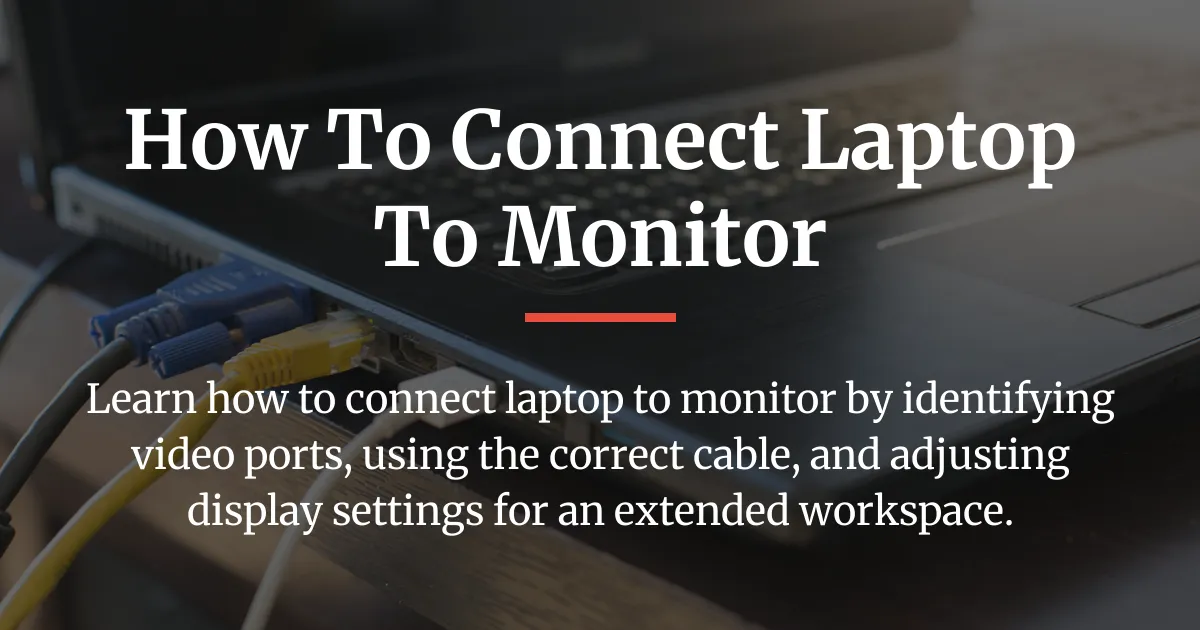
First, focus on your physical connections. A loose cable is a prime suspect. Carefully unplug and then firmly reseat the video cable at both ends—where it connects to your monitor and to your computer or laptop. Do not forget to check the monitor’s power cord as well, ensuring it is snug. If you have a spare video cable, try swapping it in, as cables can fail internally even if they look perfectly fine.
Next, verify the monitor’s input source. Your HP monitor has multiple ports, like HDMI 1, HDMI 2, or DisplayPort. It will only show a picture for the port you tell it to use. Press the physical menu button on your monitor to open the on-screen display. Navigate to the input or source selection menu and cycle through the options until it matches the specific port your video cable is plugged into.
Finally, perform a full power cycle of your setup. This clears temporary electrical glitches. Turn off and unplug both your monitor and your computer from their power sources. Wait for about sixty seconds to let any residual power drain. Then, plug in and turn on the monitor first. Once its power light is steady, turn on your computer. This sequence can help re-establish a clean communication startup between the devices.
Why Basic Fixes Sometimes Fail
If the essential checks did not work, the problem is likely a breakdown in the digital conversation between your computer and monitor. Understanding this “handshake” is key to smarter troubleshooting. When connected, your computer’s graphics card and your monitor do not just send a simple picture. They first negotiate a connection, exchanging data about supported resolutions, refresh rates, and features.
This negotiation relies on Extended Display Identification Data, or EDID. Think of it as your monitor’s digital business card, which it sends to your computer. Sometimes this data stream can become corrupted or interrupted. A poor cable connection, even if not fully loose, can break this delicate handshake. Similarly, if your computer is set to output a resolution or refresh rate that your HP monitor does not support, the handshake will fail, resulting in the “input signal not found” message, even though both devices are technically working.
The Role of Modern Connections and Adapters
Adapters and modern cables add complexity to this handshake. Using a USB-C to HDMI adapter, for instance, introduces an active electronic component that must also correctly translate the signal. A cheap or faulty adapter can easily fail at this task. For docking stations, the situation is even more complex, as the dock acts as a middleman managing power, data, and video signals all at once, creating another potential point for the handshake to break down.
Troubleshooting the Computer Source
When simple checks and handshake knowledge are not enough, it is time to investigate the computer side of the equation. Your PC’s software and hardware settings might be directing the video signal incorrectly.
Begin with your operating system’s display settings. In Windows 10 or Windows 11, press the Windows key + P to open the projection menu. Ensure “Duplicate” or “Extend” is selected, not “Second screen only” or “PC screen only,” which could be routing the signal to the wrong display. You can also right-click your desktop, select “Display settings,” and click “Detect” to see if Windows recognizes your HP monitor.
Your graphics driver is the crucial software that allows your computer to talk to displays. An outdated or corrupted driver is a common culprit. Open the Device Manager, expand the “Display adapters” section, right-click on your graphics card, and select “Update driver.” For a more thorough fix, consider a clean reinstall. Visit your graphics card manufacturer’s website—like NVIDIA, AMD, or Intel—download the latest driver for your specific model, and use its custom installation option to perform a clean install, which removes old settings.
If software settings are not the issue, you need to isolate the faulty hardware component. This is a critical diagnostic step. Connect a different monitor or even a modern television to your computer using the same cable and port. If this new screen works, the problem likely lies with your HP monitor. Conversely, take your HP monitor and connect it to another computer, like a different laptop or a game console. If it works there, then the issue is with your original computer’s graphics output.
Advanced Diagnostics for Persistent Problems
For errors that survive the standard tests, advanced diagnostics target the less obvious culprits. These steps address the specific gaps often missed in generic guides.
First, simplify your connection chain. If you are using a docking station, a KVM switch, or an adapter, remove it. Connect your HP monitor directly to your computer’s video port with a known-good cable. This test rules out compatibility issues or faults in these intermediate devices, which are frequent sources of handshake failures, especially with USB-C or DisplayPort protocols.
Now, consider the monitor itself as an active computer. Your HP monitor has its own internal firmware. While rare, a firmware bug can cause input detection issues. Visit the official HP support website, enter your monitor’s exact model number—like the HP 22Eb monitor—and check the “Software and Drivers” section for any available monitor firmware updates. The instructions provided by HP will guide you through the update process, which often involves a USB flash drive.
You can also run the monitor’s built-in self-test, which works without any computer connection. Turn off the monitor, disconnect the video cable, and then turn it back on. Most HP monitors will display a floating logo or a self-test message if their internal hardware is functioning correctly. This confirms the monitor’s display panel and core logic are alive, pointing the finger back at the incoming signal.
Navigating Windows 11 and Modern Port Quirks
Modern systems like Windows 11 and laptops with USB-C have unique behaviors. On Windows 11, check “Settings > System > Display > Advanced display” and ensure the refresh rate is set to a value your monitor supports, not an optimized setting it cannot handle. For laptops with both integrated and dedicated graphics, some video ports may be wired to only one chip. Check your graphics control panel to ensure the correct GPU is set to output to the external monitor. With USB-C, remember the port must support “DisplayPort Alt Mode” to carry a video signal; not all USB-C ports do, and a weak power supply can also disrupt this combined signal.
Determining a Hardware Fault
After methodical testing, you can confidently narrow down a hardware fault. The diagnostic path you followed provides the evidence. If your HP monitor worked perfectly with another computer, then your original computer’s graphics card or video port is likely at fault. Try a different video port on your PC if one is available.
If another monitor worked with your computer but your HP monitor did not, the fault lies with the monitor. Before concluding, inspect the monitor’s video ports for any visible damage, like bent or missing pins. Try using a different type of cable and port on the monitor itself, like switching from HDMI to DisplayPort, to see if a specific port has failed.
When all evidence points to a faulty monitor or computer port, it is time to review your warranty information. Visit the HP Community forums to search for your specific model and error; you may find an “accepted solution” from HP Community experts or other users. For hardware under warranty, or for persistent issues without a clear fix, contacting HP support directly is the definitive next step to explore repair or replacement options.
Common Questions About HP Monitor Signals
Can a faulty HDMI cable cause “input signal not found” even if it looks fine?
Yes, absolutely. Internal wire breaks or shielding flaws can disrupt the digital handshake without causing a complete disconnect, making a cable swap a crucial test.
Why does my HP monitor work with my laptop but not my desktop PC?
This usually points to a graphics setting or driver issue on the desktop. The desktop may be outputting an unsupported resolution or refresh rate, or its graphics driver needs a clean reinstall.
How do I use my HP monitor’s menu if the screen is black with this error?
You can usually still access the menu. The monitor’s physical buttons control its on-screen display independently. Press the menu button to open it and navigate to the input source selection, even without a video signal from your PC.
Does using a USB-C to HDMI adapter change how I should troubleshoot?
Yes. The adapter becomes a new point of potential failure. Always test with a direct connection or a different adapter to rule out compatibility or power issues specific to the adapter.
My second monitor says “input signal not found” but my main monitor is fine. What is wrong?
This is typically a configuration issue in Windows display settings. Go to Settings > System > Display and click “Detect” to make sure Windows sees the second monitor. Also, check that the correct input source is selected on the second monitor itself.
Can a Windows 11 update cause this problem with my HP monitor?
It can. A major update can sometimes reset display settings, install incompatible graphics drivers, or change power management features that affect the video signal output, requiring you to reconfigure your display settings afterward.
Should I try updating my HP monitor’s firmware, and how?
It is a worthwhile step for persistent, unexplained signal issues. Go to the HP support website, enter your monitor’s exact model number, and look for a firmware update in the driver or software section, following HP’s provided instructions carefully.
What is the difference between “Input Signal Not Found” and “No Signal”?
“No Signal” often means the monitor detects no physical connection at all. “Input Signal Not Found” suggests the monitor senses a connection is present but cannot lock onto a valid, decipherable video data stream, pointing more toward a handshake or settings problem.
Can a damaged port on my HP monitor cause this, and how can I test for it?
A damaged port can definitely cause it. Inspect the port for debris or bent pins. The best test is to try a different type of cable and port on the same monitor, like switching from HDMI to DisplayPort, to see if the problem follows the specific port.
When should I contact HP support or use my warranty for this error?
Contact HP support if all logical troubleshooting points to a monitor hardware fault, especially if it is under warranty. This includes cases where the monitor fails its self-test, shows the error with multiple computers and cables, or has obvious physical damage to its ports.
Resolving the input signal not found error on your HP monitor is a logical process of elimination. Start with the physical connection and input source, then explore the digital handshake and your computer’s settings. By understanding the communication chain between your devices, you can diagnose most issues yourself and know when to seek professional support for hardware faults.