If you are asking why does my monitor keep flickering, you are not alone. This common issue usually stems from a signal mismatch between your computer and display, driven by software settings, physical connections, or hardware faults. Instead of guessing, this guide provides a logical, step-by-step process to diagnose and fix the problem for good.
Start With This Universal Quick Diagnostic
Before diving deep, perform these three quick tests to isolate the source of the flickering. They help rule out major categories and point you in the right direction.
First, open the Task Manager on your Windows PC. If the flickering stops or changes when Task Manager is open, the issue is likely software-related, such as a driver conflict or Windows setting. This simple check separates software glitches from hardware problems.
Second, disconnect and reconnect all cables between your monitor and computer. Ensure each cable is firmly seated in both the monitor port and the graphics card port. A loose connection is a frequent culprit for intermittent flickering that users often overlook.
Third, test your monitor with a different source, like a laptop or game console. If the flickering disappears, the problem lies with your original computer or its settings. If it persists, the monitor itself or its power supply might be faulty.
Systematic Troubleshooting for a Flickering Monitor
When quick fixes fail, follow this structured investigation along the signal path from your computer to your screen. This methodical approach prevents overwhelm and ensures you cover all bases.
The Software Pathway: Drivers and Operating System
Software conflicts are a leading cause of monitor flickering. Start by updating your graphics drivers through the device manager or official apps like Nvidia App or AMD Adrenalin. Outdated drivers can miscommunicate with your monitor, causing flickering issues.
After updating, set your display to its native resolution and refresh rate in Windows settings. Mismatched settings force the monitor to work improperly, leading to flickering. Go to Display Settings, choose the correct resolution, and select the highest refresh rate your monitor supports.
If problems continue, delve into settings conflict resolution. Modern systems have multiple layers of control: Windows display settings, GPU software like Nvidia Control Panel, and the monitor’s own OSD menu. Conflicts between these can cause flickering, especially with features like Variable Refresh Rate.
To resolve conflicts, first disable any Variable Refresh Rate settings in your GPU software and Windows Dynamic Refresh Rate. Then, enable them one at a time to identify the culprit. This step-by-step reconciliation often fixes flickering during games or on desktops.
The Physical Pathway: Cables, Ports, and Power
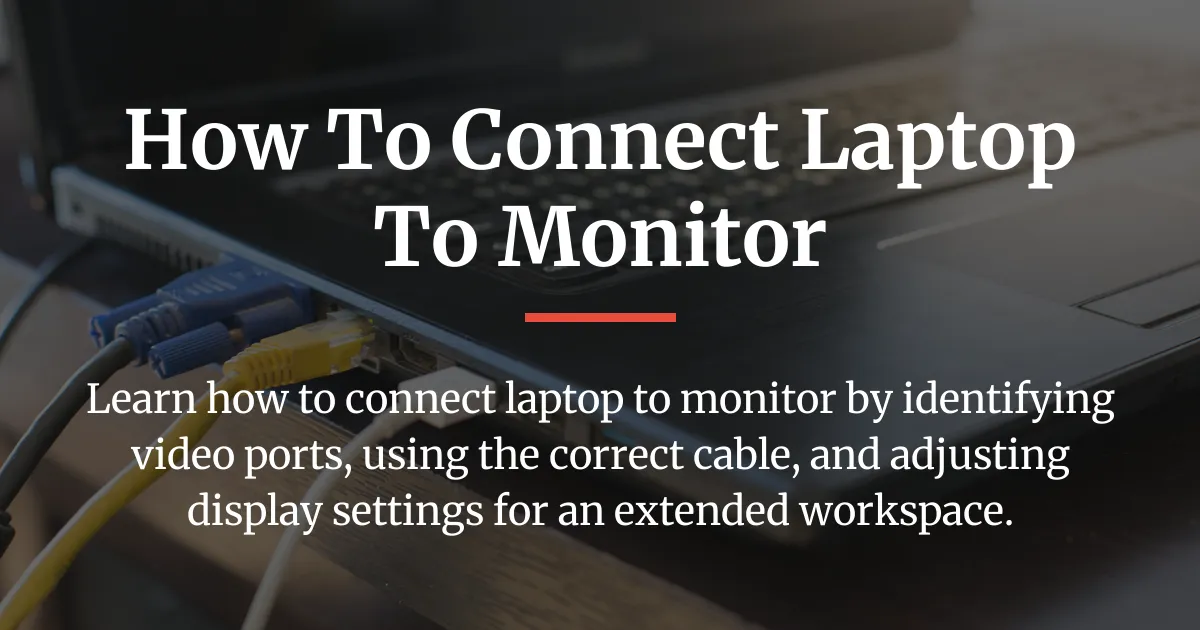
Physical issues are often to blame for persistent flickering. Begin by inspecting your display cables, such as DP Cable or HDMI. Damaged or low-quality cables degrade the signal, causing flickering. Try swapping with known good cables, preferably certified for high refresh rates like 144Hz.
Next, test different ports on both your monitor and graphics card. A faulty port can interrupt the signal, leading to flickering. If you use adapters, like HDMI to DisplayPort, remove them temporarily, as adapters can introduce compatibility problems.
Do not forget the electrical and environmental audit. Poor power supply from your wall outlet or power strip can cause monitor flickering. Plug your monitor directly into a wall outlet to rule out power strip issues. Also, check for electromagnetic interference from nearby routers or speakers by moving your setup.
Ensure your PC’s power supply unit is adequate for your GPU and monitor. An underpowered PSU can lead to flickering under load, such as during gaming. This deeper check addresses flickering that seems random or hardware-related.
The Hardware Pathway: Isolating the Faulty Component
When software and physical checks yield no results, hardware might be failing. Test your monitor with a different computer or laptop. If the flickering stops, your original computer’s GPU or settings are at fault. This step confirms whether the monitor is the problem.
Conversely, test your computer with a different monitor. If the new monitor works fine, your original monitor likely has a hardware defect. This swap test is crucial for isolating the faulty component without expensive guesses.
Finally, stress test your GPU using benchmarking tools. If flickering increases under load, your graphics card might be overheating or failing. Monitor temperatures during the test to confirm. This approach helps identify GPU issues that cause flickering only during intensive tasks.
Fixing Flickering in Specific Scenarios
Some flickering cases are tied to specific setups or uses. Here, address common real-world scenarios hinted at in search results.
Multi-Monitor Setup Flickering
In multi-monitor setups, flickering often affects only one screen, like a second monitor. This usually stems from mismatched refresh rates between displays. Set all monitors to the same refresh rate in Windows settings to synchronize signals.
Also, ensure your GPU can handle multiple monitors, especially at high resolutions. An overloaded GPU may cause flickering. Reduce the resolution or refresh rate on secondary monitors to alleviate the load.
Flickering During Games or with VRR Enabled
Flickering during games frequently relates to Variable Refresh Rate technology like G-Sync or FreeSync. Disable VRR in your GPU software to see if flickering stops. If it does, update your monitor’s firmware or GPU drivers, as compatibility issues often cause this.
Additionally, cap your game’s frame rate slightly below your monitor’s maximum refresh rate. This prevents signal overloads that trigger flickering. For example, on a 144Hz monitor, set a frame cap of 140 FPS in game settings.
Flickering with Laptop or Mac Connections
When connecting a laptop or Mac, flickering can arise from power delivery or cable issues. For laptops, ensure they are plugged into power, as battery-saving modes can reduce signal strength. Use high-quality cables certified for your monitor’s resolution and refresh rate.
For Macs, check display settings in System Preferences. Macs may default to non-native resolutions or refresh rates, causing flickering. Manually set the correct resolution and refresh rate to match your monitor’s specs.
When to Suspect a Hardware Failure
After exhaustive troubleshooting, hardware failure may be the cause. Look for definitive signs like flickering that persists across different computers and cables. If the monitor flickers even when disconnected from any source, it likely has an internal fault.
Other indicators include visible artifacts, such as small blocks or static on the screen, or flickering that worsens over time. In such cases, contact the manufacturer for warranty support or seek professional repair. This decision point saves you from endless software fixes.
Frequently Asked Questions
Why does my monitor flicker only when I play games?
This is often due to Variable Refresh Rate conflicts or GPU overload. Disable VRR settings and cap your frame rate to see if it resolves the flickering during games.
Why does my monitor flicker when connected to my laptop but not my desktop?
The laptop’s graphics drivers or power settings might be at fault. Update the laptop’s drivers and ensure it is plugged into power, as battery modes can cause signal issues.
Can a faulty power strip cause monitor flickering?
Yes, a faulty power strip can deliver unstable power, leading to monitor flickering. Plug your monitor directly into a wall outlet to test this.
Why does my monitor flicker when waking from sleep?
This is commonly caused by driver or power management settings. Update your graphics drivers and adjust Windows power settings to prevent signal interruptions during sleep cycles.
Is screen flickering a sign my monitor is dying?
Not always, but if flickering persists after all troubleshooting, it could indicate a failing monitor. Test with another computer to confirm before assuming hardware death.
Why does my second monitor flicker but my main one doesn’t?
Mismatched refresh rates or GPU load distribution are likely causes. Set both monitors to the same refresh rate and ensure your GPU can handle dual displays.
Does using an adapter cause flickering?
Yes, adapters like HDMI to DisplayPort can degrade signal integrity, causing flickering. Use direct cable connections without adapters whenever possible.
Why does my monitor flicker with certain colors or on gray screens?
This may indicate a panel defect, such as poor pixel inversion. It’s often a hardware issue specific to the monitor’s display technology.
Should I disable Windows Dynamic Refresh Rate?
If you experience flickering, try disabling Windows Dynamic Refresh Rate in display settings. It can conflict with GPU VRR settings, leading to signal mismatches.
Can a virus cause screen flickering?
It’s rare, but malware can interfere with system processes. Run a security scan and check Task Manager for unusual activity, though drivers or hardware are more common causes.
In summary, understanding why does my monitor keep flickering requires a systematic approach along software, physical, and hardware pathways. By following this diagnostic guide, you can pinpoint the root cause and apply the right fix, eliminating guesswork and frustration. Remember, most flickering issues are solvable with careful troubleshooting.